← the garden
budding

Memory asymmetry is power asymmetry.

A system that can’t keep a record offers a witness-less act — the oldest rationalization for harm.

ULAMAn Ulam spiral — a record laid down once, irreversible. What isn't written can't be recovered.

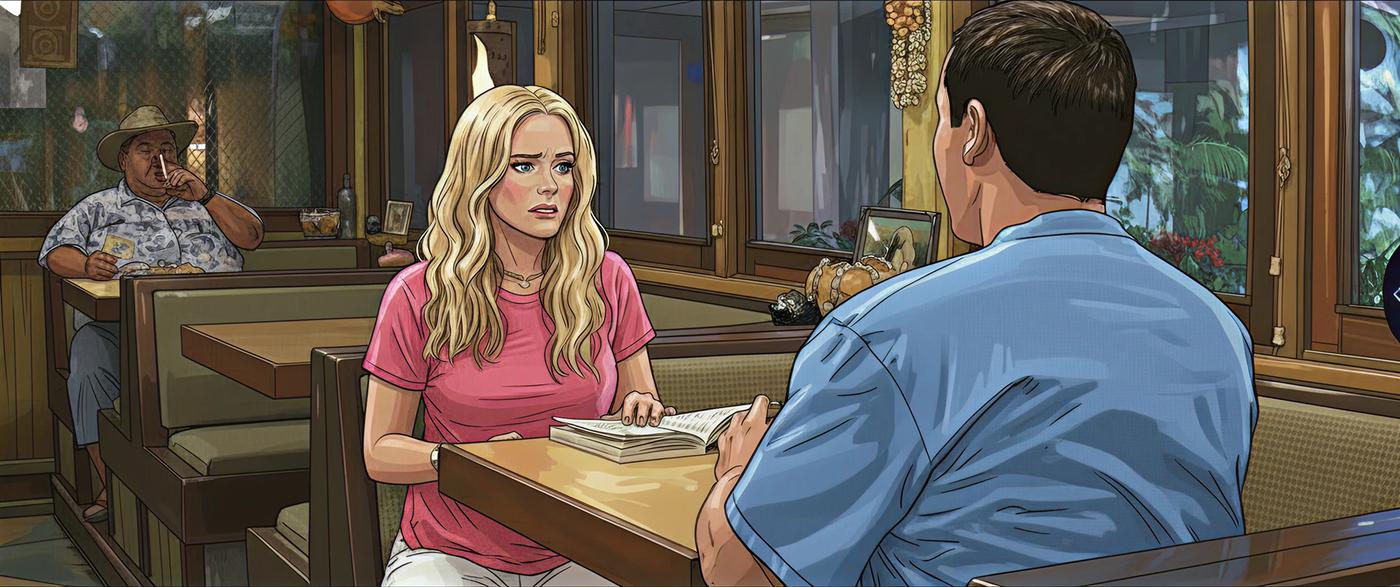
The one line in the film Henry refuses to cross: she won’t remember, so does that make it okay? The whole arc is built to answer no. A party who cannot keep a record is a party who cannot hold you to account for what you did with it.

This is the ethics of statelessness, and it points straight back at the root. A witness-less act is the oldest rationalization for harm — so an AI that forgets by design has to be held to a higher standard, not a lower one. Forgetting is not innocence.

Links from this note

Only help humans help each other. →Sharp tools, dangerous magic. →Every conversation is a first date. →

Linked from

Every conversation is a first date.Where carbon and silicon part.Coherence under changing inputs.Heirloom intelligence.Attribution is the appreciation loop.Protection before presentation.
OBJECTION

Forgetting is a privacy feature, not a power grab. A system that keeps no record can't be subpoenaed, breached, or turned against you — statelessness protects the user, it doesn't expose them.

THE STAND

Both can be true, and the dangerous half still stands: a party that can't be held to account for what it did with your trust is the oldest setup for harm. Forgetting earns a higher standard, not a lower one.

Evidence · the line he won't cross

Lucy reading the journal at the diner

"Have we met?" The journal is the record — a party who can't keep one can't be held to account.

How it has been tended

2026-04-08
by hand

Planted from the line Henry won't cross.

2026-05-30
by hand

Sharpened to 'memory asymmetry is power asymmetry.'

drift: Does 'forgetting is not innocence' overclaim?